
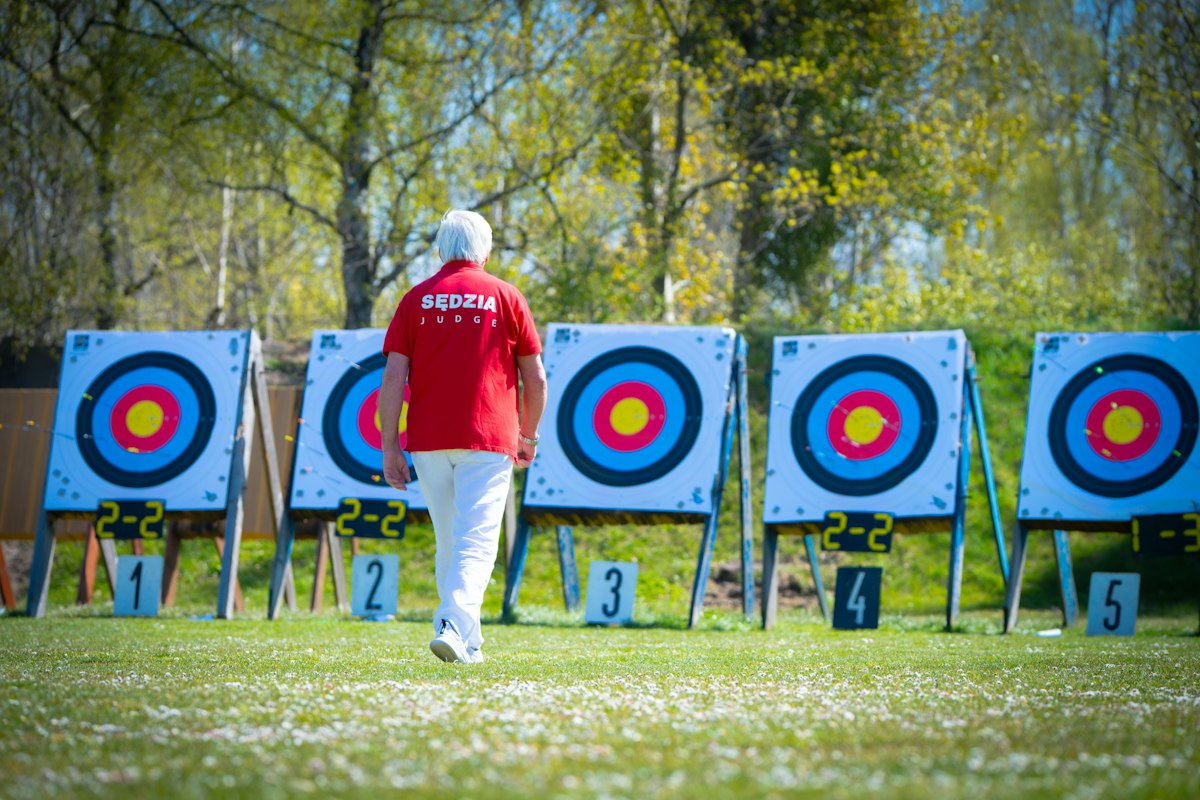
Yes, archery is a sport: it has organized disciplines, rule-based competitions and trained athletes. People also practise it as a hobby, a cultural tradition or a recreational skill. Calling it a hobby does not erase the sport side; competitors repeat technical shots and score against published rules.
Key Takeaways
- Archery can be both a sport and a hobby; organized competition follows defined rules and scoring.
- Consistent technique, physical control and concentration matter alongside strength and aiming.
- Beginners can try a supervised session and use club equipment before buying a bow.
Is archery a sport or just a hobby?
Archery can be a sport, a hobby or a cultural practice. In organized sport, athletes train and compete using defined rules for equipment, distance, scoring and match play. World Archery governs international competitions and lists target, indoor, field and 3D archery among its disciplines.
World Archery’s overview of the sport explains those disciplines and international events. Target archery is also contested at the Olympic and Paralympic Games. That competitive structure is one clear reason archery qualifies as a sport, while casual practice can remain a hobby.
Which archery myths miss what the sport requires?
Most archery myths reduce the activity to pulling a string and aiming. In reality, competitive archers coordinate posture, draw, anchor, aim and release, then repeat that routine across many arrows. The sport also includes different disciplines, formats and equipment rules.
| Common myth | What is more accurate |
|---|---|
| “Archery is just standing still and shooting.” | A steady position is a trained skill. Archers repeat a coordinated shot sequence and manage attention across practice and competition. |
| “It is mainly about brute strength.” | Strength matters, but bow fit, technique and controlled movement matter too. A suitable draw weight helps a beginner learn without straining. |
| “Good eyesight and natural aim are enough.” | A sight or aiming method is only one part of a repeatable shot. Stance, anchor and release also affect consistency. |
| “Every archer shoots the same kind of event.” | Target, indoor, field and 3D archery use different settings or formats. Para archery has its own classification system and competition categories. |
| “You need expensive personal equipment to begin.” | Some clubs provide starter equipment and coaching. Check what is available locally before buying a bow or arrows. |
Different bow styles also have different setups and rules. Suhag Archery’s guide to compound versus recurve bows explains the basic design differences. Neither style is universally best; the event, archer and coaching programme matter.
Is archery physically demanding?
Archery uses strength and muscular endurance, but it is not only a strength contest. World Archery coaching material describes postural control and sustained concentration alongside physical capacity. Demands vary with bow setup, practice volume and competition format, so beginners can start at an appropriate level.
World Archery’s Level 2 Coaching Manual describes archery as a static sport that still uses strength, endurance, fine postural control and concentration. A coach can help set a manageable draw weight and build a repeatable routine. Suhag’s guides to archery stance and a consistent anchor point cover two foundations of that routine.
Does traditional or Indian archery count as a sport?
Yes, traditional archery can be a sport when people train or compete within an organized format; it can also be a cultural skill or leisure activity. A bow’s age or design does not decide the label. Competition rules define eligible equipment, distance, target type and scoring.
Traditional bows used in India vary by design and local practice, so it is better not to treat them as one universal style. If you want to enter a competition, ask the organizer which equipment division accepts your bow. The same principle applies to modern bows: the event rules determine eligibility.
How can a beginner try archery as a sport?
Start with a supervised club or academy session and use its equipment if it is available. Ask about the coach, range-safety briefing, bow styles, beginner practice and local events. A coach can check fit and arrows before you buy; a club helps you learn consistent technique and competition rules.
- Find a local club or academy and ask whether it welcomes beginners.
- Attend an introductory session and learn the range commands and safety routine.
- Try the bow style used by the coach before choosing your own equipment.
- Practise basic form and scoring before entering a beginner-friendly event.
Our guide to finding archery coaching in India suggests questions to ask a centre. Before shopping, see the beginner setup and budget guide, and learn how target scoring works.
Featured photo by Gabriela on Unsplash.
Frequently asked questions
These quick answers distinguish organized archery sport from recreational or cultural practice.
Is archery considered a sport?
Yes. Archery is an organized sport with international rules, recognized disciplines and competitions. It can also be practised as a hobby or cultural activity.
Is archery an Olympic sport?
Yes. Target archery is part of the Olympic programme. World Archery also governs other international archery disciplines and competitions.
Is archery physically demanding?
Archery uses strength, endurance, postural control and concentration, but demands vary by bow setup and practice. Beginners can build technique gradually with suitable equipment and coaching.
Do beginners need to buy their own bow?
No. Some clubs offer equipment for introductory sessions. Ask locally, then buy only after a coach checks bow style, draw weight, fit and arrow match.
Can traditional archery be a sport?
Yes. Traditional archery can be a sport when practised or competed under an organized format. It can also be a cultural skill or leisure activity.