
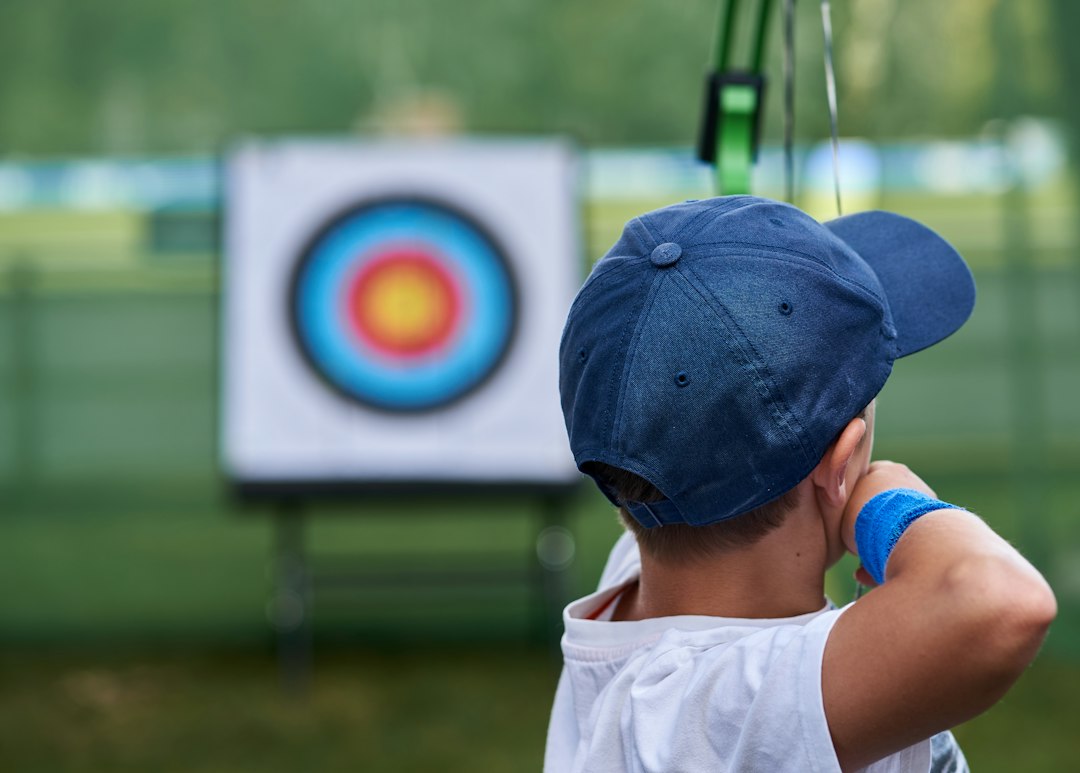
There is no single beginner archery setup cost: the total depends on whether you can use club equipment, which bow style you choose, and whether your range, targets, arrows, and coaching are included. Start with a supervised session, then budget for a fitted bow and correctly matched arrows before optional upgrades.
This guide is for someone who wants to try target archery or begin practising regularly. It separates essential gear from useful extras, explains the recurring costs people overlook, and gives a practical way to compare complete setups without assuming that the most expensive bow is best.
Key Takeaways
A sensible first archery budget starts with safe instruction and equipment that fits the archer. The largest avoidable expense is buying a bow or arrows before confirming draw length, draw weight, handedness, and the type of archery you want to practise.
- Ask a club or range whether a beginner course includes bows, arrows, targets, and protective gear.
- When buying, prioritize a correctly sized bow, matched arrows, and essential protection over sights and premium accessories.
- Set aside money for range access, target replacement, transport, and repairs as well as the initial kit.
How much does a beginner archery setup cost?
A beginner setup can range from a low-cost club or loaner arrangement to a larger personal equipment purchase. The total changes with bow type, fit, arrow requirements, safety equipment, range access, and local availability, so a single universal price would be misleading.
For a first session, the most useful budget may be a beginner course fee rather than a bow purchase. Many clubs lend bows and arrows while beginners learn range commands, stance, draw, and release. Archery GB, for example, says equipment is provided on its beginner courses and notes that clubs may have equipment to use afterward. Ask your local club what is included: policies and fees vary by country and venue.
If you already know you want to practise regularly, compare the complete system rather than the bow alone. A listed bow price does not necessarily include limbs, string, rest, finger protection, arrows, target access, a bow case, or setup help. Compound bows may also require a release aid and model-specific tuning support; a target recurve may use a finger tab, arm guard, sight, and other accessories depending on the discipline.
Prices change by region and date. Instead of relying on an old online estimate, ask for an itemized quote in your own currency and confirm what is included, whether setup is checked, and whether future returns or size exchanges are possible.
Should you buy equipment before taking a beginner course?
Usually, the lower-risk first step is a supervised beginner session where equipment and coaching are provided. It lets you test whether you enjoy shooting, try the correct bow hand, and learn your initial draw length and comfortable draw weight before committing to a personal setup.
Archery is sensitive to fit. A bow that is too long or too heavy can make it difficult to learn a relaxed, repeatable shot. A bow that is too short for the archer’s draw can be uncomfortable and may not be suitable for continued use. A coach can observe how you draw and recommend an appropriate starting arrangement. Read the Suhag Archery guides to measuring archery draw length and choosing a manageable draw weight before purchasing.
Borrowing or renting also prevents a common beginner mistake: buying for the archer you hope to become instead of the archer you are today. Strength, comfort, and form change with practice. Many takedown recurve systems let an archer change limbs later, but compatibility depends on the riser and limb system. Ask the seller or coach before assuming that parts from different models fit.
If there is no club nearby, look for a qualified instructor, supervised range, or reputable archery shop that can measure and set up the bow. Do not treat a retail listing or a friend’s draw weight as a substitute for an individual fit check.
What equipment belongs in a basic beginner archery setup?
A basic target setup needs a suitable bow and string, correctly matched arrows, a safe place to shoot with an appropriate target and backstop, and the protection or release equipment required by the bow style. A quiver, bow stand, and transport case are useful but can sometimes wait.
| Item | Why it matters | Buy now or later? |
|---|---|---|
| Bow and string | Must fit the archer’s hand, draw length, skill, and intended style. | After a coach or experienced fitter confirms the setup. |
| Matched arrows | Length, spine, point weight, and nock must suit the bow and archer. | Essential; confirm the manufacturer’s selection chart. |
| Finger tab or release aid | Protects the draw hand or gives the compound archer a consistent string connection. | Required according to bow style. |
| Arm guard | Helps protect the forearm from accidental string contact. | A useful basic protective item. |
| Target and safe backstop | Stops arrows safely; a target face alone is not a backstop. | Use a supervised range unless you have a properly planned safe range. |
| Quiver, bow stand, case | Organizes arrows, supports the bow, and protects gear in transit. | Helpful upgrades after the essentials. |
Do not choose arrows by colour, appearance, or a friend’s recommendation. Arrow spine is a stiffness rating, and a poor match can affect flight and safety. Suhag Archery’s plain-language arrow spine guide explains why bow weight, arrow length, and point weight belong in the selection process. Have a coach or qualified shop check the completed setup.
For examples of specific protective and practice equipment, Suhag Archery lists the Avalon Classic Arm Guard, an AXCEL Contour Pro finger tab, and Avalon Tyro complete carbon arrows. These are catalogue examples, not a claim that one model suits every beginner; check fit, arrow spine, and compatibility first.
Does a recurve or compound bow need a different budget?
Yes. Recurve and compound setups use different equipment and setup methods, so compare complete, discipline-appropriate kits. A recurve often uses finger protection and may be shot barebow or with a sight; a compound usually needs a compatible release aid and careful cam, rest, and string setup.
| Setup consideration | Target recurve or barebow | Target compound |
|---|---|---|
| String connection | Usually drawn and released with fingers and a tab. | Often uses a mechanical release aid and D-loop; confirm the bow’s intended use. |
| Common extras | Finger tab, arm guard, rest; sight and stabilizers depend on style. | Release aid, sight, rest, and sometimes a peep and stabilizer system. |
| Setup help | Check bow length, limb weight, nocking point, and arrow match. | Also check draw length, cam timing, rest, and manufacturer instructions. |
| Upgrade path | Some takedown systems allow limb changes if components are compatible. | Changes may involve model-specific modules, press work, or technician setup. |
Neither style is automatically cheaper once the bow, accessories, arrows, and fitting are included. A basic club recurve may be the least complicated way to learn, while a compound package may be a better fit for someone committed to that style and able to get reliable setup support. Suhag Archery’s compound versus recurve comparison can help you choose based on how you want to shoot rather than on a price label alone.
What should a beginner buy first?
Buy in the order that protects safety and fit: instruction or a fitting appointment, a suitable bow, matched arrows, required hand and arm protection, then equipment for transport and convenience. Add sights, stabilizers, premium materials, and multiple arrow sets only when a clear need appears.
- Confirm the shooting style and bow hand. Eye dominance, comfort, and coach assessment all matter; do not infer handedness from writing hand alone.
- Get a manageable bow. The correct draw length and a controllable draw weight support learning. Extra weight is not a shortcut to good form.
- Have arrows selected and inspected. Use the bow and arrow manufacturer’s chart and have a coach confirm shaft length, spine, point, nock fit, and condition.
- Cover basic protection. A properly fitted arm guard and finger protection or a suitable compound release aid reduce avoidable discomfort and help create a consistent routine.
- Use a safe target facility. Range membership or supervised practice may be more practical than buying a target and backstop immediately.
- Record the setup. Write down the bow model, limb weight, arrow model and spine, arrow length, and settings. This makes replacements and future tuning easier.
When considering a package, ask whether “ready to shoot” means arrows are actually matched to your draw and bow, whether the bow is assembled and checked, and whether the equipment can be adjusted as you develop. If the seller cannot explain those details, ask a coach or independent shop before buying.
Which ongoing costs do new archers overlook?
Ongoing costs include range or club fees, course or coaching sessions, replacement target faces and backstops, damaged or lost arrows, string care, transport and storage, and occasional repairs. The exact mix depends on how often you shoot and whether your club provides equipment.
Arrows are consumables in the practical sense: they can be lost, bent, or damaged. Inspect every shaft after a shot, especially carbon shafts, and do not shoot an arrow that is cracked, splintered, or otherwise damaged. A suitable target buttress also matters. If you practise at home, account for the target’s stopping capacity, a safe overshoot zone, neighbours, and local rules before buying anything. A paper target face does not stop an arrow.
Strings wear, servings can separate, and accessories may need adjustment. Recurve archers should learn safe stringing with the correct stringer; compound bow cables and cams should be serviced according to the manufacturer’s instructions. Keep records so you know what was changed and when. A shop or club can often advise on expected maintenance for the exact equipment, rather than a generic internet schedule.
Storage and travel also affect cost. A soft case may be enough for local club use; a travelling tournament archer may need more protection. Keep arrows in a tube or case and avoid leaving equipment in heat, moisture, or a car for extended periods. Buy upgrades only when the current setup limits a specific goal.
How should beginners in India approach traditional archery?
Traditional and Indian archery can use simpler equipment, but “traditional” does not mean that any bow and arrow combination is automatically safe or suitable. Bow draw weight, arrow length and spine, string material, range safety, and local competition rules still need to be considered carefully.
Traditional bows vary in shape, material, grip, and method of drawing the string. Some archers use a simple wooden bow and hand-made or wooden arrows; others use modern materials in a traditional form. A thumb draw or finger draw changes the archer’s hand position and the arrow’s relationship to the bow. Have an experienced traditional-archery coach help you select both bow and arrows, particularly if the equipment is handmade and does not come with a modern selection chart.
In India, local clubs, schools, academies, and state associations may have different practice styles and equipment access. Ask what a beginner class supplies, how range safety is managed, and whether a bow can be borrowed before buying. Traditional equipment may appear less accessory-heavy, but a safe target and backstop, suitable protective equipment, and well-matched arrows remain part of the real budget.
For competition, verify the rules of the specific event and association. World Archery’s equipment categories and national or local traditional events do not always classify bows in the same way. Choose the discipline first, then buy equipment that fits its rules and your coach’s guidance.
How can you avoid wasting money on a first setup?
Avoid buying before trying, chasing a high draw weight, purchasing a complete-looking package with mismatched arrows, and adding advanced accessories without understanding their purpose. Ask a coach to check the full bow-arrow combination and reserve part of the budget for practice, targets, and maintenance.
- Do not choose a bow solely because it is advertised for a certain age or height; draw length and safe handling are individual.
- Do not assume that a more expensive sight, stabilizer, or release will correct inconsistent form.
- Do not buy only one or two arrows if the model has limited availability; ask about matching replacements and spare components.
- Do not make home range decisions based only on the target’s size. Backstop design, overshoot space, and safe shooting direction are essential.
- Do not compare only item prices: setup assistance, warranty, shipping, local service, and compatibility may change the total value.
A useful beginner budget has three columns: essential now, borrow or rent, and consider later. Add estimated repeat costs for the first season. Ask your instructor to review the list before you pay. This small planning step can prevent duplicate purchases and keep the first setup focused on learning.
Sources and further reading
Beginner equipment advice varies by country and discipline, so use local club guidance for current access and costs. The references below support the general starter-kit and equipment principles; ask a local coach to confirm what applies to your bow and range.
- Archery GB: beginners’ guide and beginner-course equipment
- World Archery: equipment overview
- World Archery: barebow equipment and shooting style
Frequently Asked Questions
How much does a beginner archery setup cost?
There is no fixed total. Your cost depends on whether a club provides equipment, which bow style you choose, the arrows and safety gear you need, and range or coaching fees. Get an itemized local quote after a fit check.
What equipment does a beginner archer need?
Most beginners need a suitable bow and string, correctly matched arrows, required finger protection or a compound release aid, an arm guard, and a safe target range. A quiver, stand, and case are useful but may come later.
Should I buy a bow before an archery course?
Usually not. A course lets you try archery with supervised equipment and gives a coach a chance to assess your bow hand, draw length, and comfortable draw weight before you buy.
Is a recurve or compound bow cheaper for beginners?
Neither is always cheaper. Compare complete setups, including arrows, accessories, fitting, and maintenance. Club equipment may make either style affordable to try before purchasing.
What is the most important first archery purchase?
A correctly fitted bow and safe, properly matched arrows are the priority. Protective equipment and instruction matter too; advanced sights and stabilizers can wait until you know your discipline and needs.