
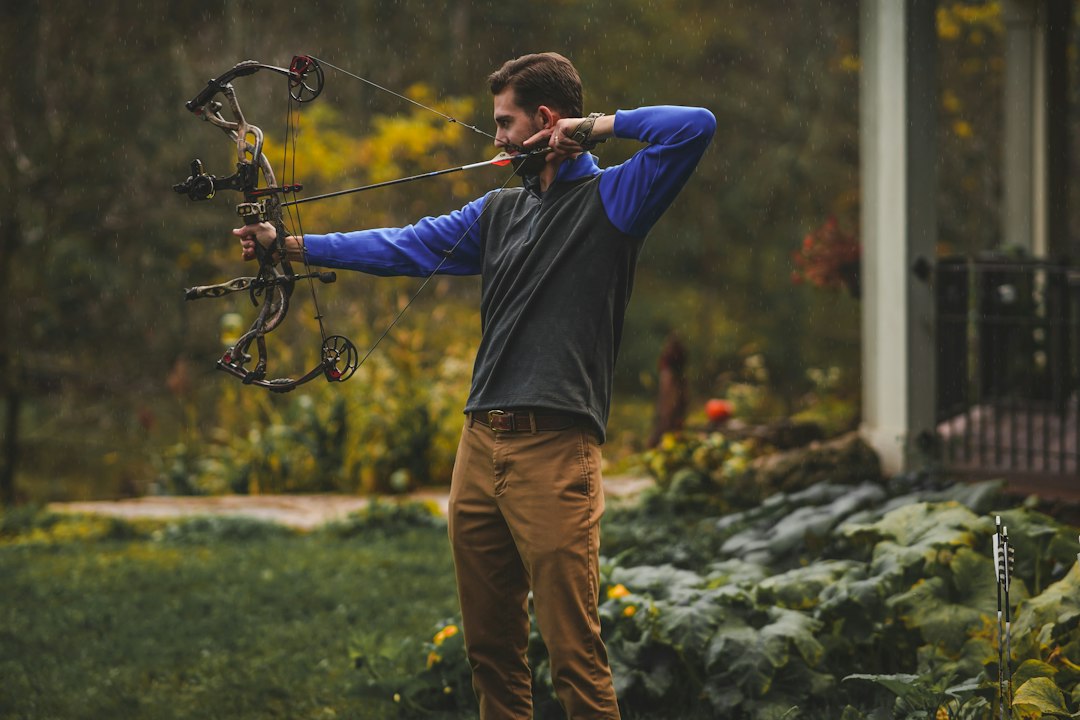
An archery anchor point is a repeatable place where the drawing hand, string, or a reference on the release aid meets the archer’s face or jaw at full draw. A consistent anchor helps reproduce alignment and draw length. The exact contact points depend on bow style, release method, and the archer.
Key Takeaways
An anchor is a reference you can find consistently at full draw, not a single position every archer must copy. Recurve archers often use the drawing hand under the jaw with string-to-face references; compound and traditional methods vary. A coach should help you find a comfortable, repeatable position.
- Keep the same hand and string references from shot to shot.
- Use light, comfortable contact; do not force the string into your face.
- Measure and check draw length with the anchor you actually use.
What is an anchor point in archery?
An anchor point is a consistent reference reached at full draw, usually involving the drawing hand, string, release aid, or a small kisser button touching a known place on the face. It helps the archer repeat alignment and draw length, but the precise reference changes with equipment and technique.
World Archery coaching materials call facial marks or references an anchor point. It can be one contact cue or a small set of cues, such as drawing fingers under the jaw plus the string lightly touching the nose. Comfort and repeatability matter more than strong pressure.
How do you find a consistent anchor point?
Start with a coach who can see your bow style and draw. At full draw, use the hand or release-aid position and facial reference taught for that setup; then repeat the motion while keeping the head relaxed. A correct anchor should feel consistent without forcing your neck, jaw, or string contact.
- Stand in a balanced position and set your bow hand as your coach teaches.
- Draw smoothly to the full-draw position using a bow weight you can control.
- Bring your drawing hand or release aid to the same facial or jaw reference each time.
- Keep your head neutral; let the string reach the intended reference instead of moving your face toward it.
- Have your coach check the anchor from the side and front, then record any equipment or form adjustments.
Do not practice by drawing a bow without an arrow; a bow can be damaged or cause injury if released empty. If you are learning the movement away from the range, use the training aid your coach recommends.
Do anchor points differ between recurve, compound, and traditional bows?
Yes. Recurve finger shooters commonly anchor the drawing hand under the jaw and use string-to-face alignment. A compound release aid may create a different hand, jaw, or kisser reference. Traditional and thumb-draw methods can use other facial references. These are examples, not rules that fit every archer.
| Style or setup | Common reference examples | What to confirm |
|---|---|---|
| Target recurve with fingers | Drawing hand under the jaw; string may contact nose or chin | The coach’s taught hand position and string alignment |
| Compound with release aid | Release hand or aid anchored near jaw or face; some use a kisser | A comfortable reference that fits the release and bow draw length |
| Barebow or traditional | Hand, face, or string reference varies with method and rules | The bow style, release technique, and coach or bowyer’s guidance |
Use only the contact points that belong to your own setup. A reference that makes one archer consistent may be uncomfortable or mechanically different for another. The draw-length measuring guide explains why measurement should use your actual anchor; pair it with our beginner stance guide and archery basics.
How does anchoring apply to traditional and Indian archery?
Traditional and Indian archery include different bows, release methods, and facial or body references. There is no single anchor point shared by every tradition. Learn the anchor used for the specific bow and technique, and ask a coach or knowledgeable traditional archer to check comfort and alignment.
When switching from a modern recurve to a traditional bow, do not assume the same draw-hand position will fit. Follow the bowyer’s limits and the discipline’s coaching, and avoid drawing beyond a comfortable, controlled position.
Frequently Asked Questions
These answers summarize the basics, but your coach should confirm the exact anchor for your bow, release, and draw length. Stop if the position causes pain or makes you strain.
Where should my hand touch my face in archery?
Use the facial or jaw reference taught for your bow style and release. A coach can check that it is repeatable and comfortable.
Should the bowstring touch my nose when I shoot?
Some target-recurve setups use light string-to-nose contact, but it is not required for every bow style or archer.
Does a consistent anchor affect draw length?
Yes. Draw length is measured at your full-draw position, so changing the anchor can change the measurement and bow fit.
Can my anchor point be different from another archer’s?
Yes. Anchor references vary with bow style, release method, facial structure, and coaching technique.
Reference: World Archery Coaches Manual, Level 1, which describes facial marks or draw-hand position as anchor references.