
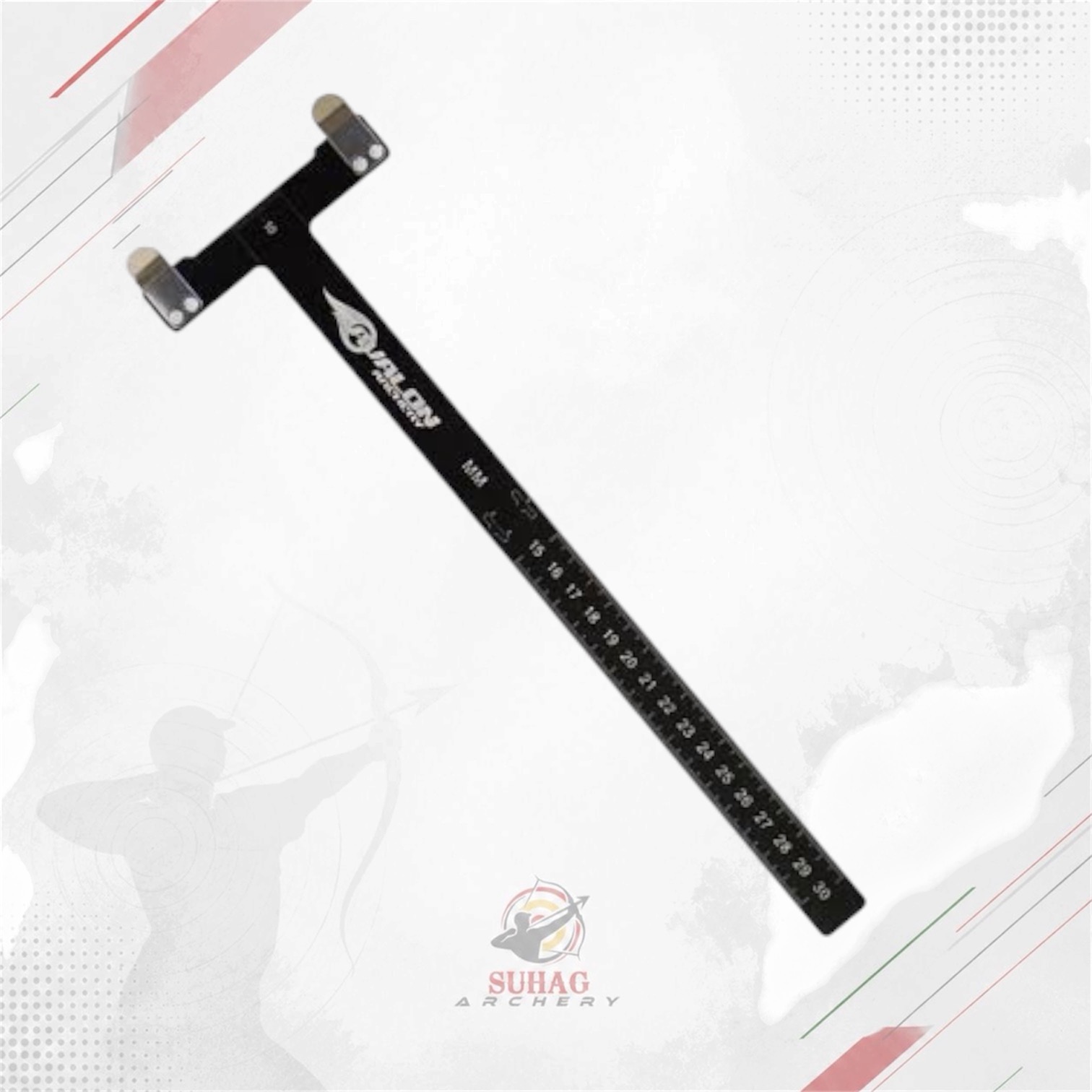
Brace height is the distance from a strung bow’s grip reference—usually the deepest part of the grip throat—to the bowstring. On a recurve, measure it with a bow square and compare the reading with the bow maker’s recommended range. The correct setting depends on the bow and its setup.
Key Takeaways
Brace height describes the string-to-grip distance when the bow is strung. It can affect how a recurve bow feels and sounds, so measure it consistently and use the manufacturer’s range. Do not copy another bow’s number or change compound cables and limbs to adjust it.
- Measure at the grip pivot reference with a bow square on a safely strung bow.
- Use the maker’s recommended range; there is no universal ideal number for every bow.
- If a recurve string adjustment is needed, make small, recorded changes with a coach or technician.
What is brace height on a bow?
Brace height is the distance between the bowstring and a reference point on the grip while the bow is strung. For many recurve setups, that point is the grip’s deepest throat, also called the pivot point. The value is usually recorded in inches or centimetres and compared with the bow maker’s guidance.
Brace height is part of bow setup, not the bow’s draw length. It also differs from tiller, which compares the upper and lower limb/string measurements. Our recurve stringing guide explains how to string a recurve before taking a measurement.
How do you measure recurve brace height?
With the bow safely strung, place the bow square so its clip sits on the string and its scale runs toward the grip. Read the distance at the bow’s pivot-point reference, using the same point and tool each time, then compare that measurement with the bow manufacturer’s recommended range.
- Have a coach check that the bow is correctly assembled and strung before measuring.
- Clip the bow square to the string at the nocking area, following the tool’s instructions.
- Use the square’s scale to read the distance between the string and the grip throat/pivot reference.
- Write down the measurement, the bow length, string, and any changes to the setup.
- If it falls outside the maker’s range, ask a coach or technician to check the string and bow before shooting.
A bow square can also help locate a nocking point, but do not confuse that arrow-to-string position with brace height. The Avalon Standard Bow Square is one example of a measuring tool; use it according to the bow and tool instructions.
What changes when brace height is adjusted?
Changing brace height changes the bowstring’s resting position and can affect the bow’s feel, sound, and tune. Recurve string twists commonly alter brace height, but the direction and acceptable range depend on the string and bow. Make only small changes, record them, and stop if you are unsure.
| Adjustment or comparison | What it means | Safe guidance |
|---|---|---|
| Brace height | Distance from string to grip pivot reference | Keep within the bow maker’s stated range |
| Tiller | Difference between upper and lower limb/string measurements | Measure and adjust separately; do not use it as a substitute for brace height |
| String twist on a recurve | Twisting changes the effective string length and brace height | Make small changes with guidance and recheck the measurement |
Do not apply recurve string-twist advice to a compound bow’s cables or limb bolts. If the bow is a compound, follow its manufacturer’s setup instructions and ask a qualified bow technician to make adjustments.
For connected setup topics, see the draw-weight guide, our arrow spine explainer, and the recurve equipment guide. Easton’s RX-7 setup guide also advises following the bow maker’s brace-height recommendations.
What is brace height for traditional and Indian bows?
The same string-to-grip idea can describe a traditional bow’s resting geometry, but makers may specify different reference points or setup ranges. Some historical practices use the term fistmele for a hand-based estimate; hand size and bow design vary, so it is not a precise replacement for the bowyer’s measurement.
For a traditional self bow, longbow, or Indian bow, use the bowyer’s instructions and ask an experienced traditional archer before changing string twists. Do not assume a modern recurve chart applies to a one-piece bow.
Frequently Asked Questions
Use the maker’s instructions for the exact bow and string. These short answers explain common brace-height terms without prescribing one number for every recurve.
What is a good brace height for a recurve bow?
Use the range specified by the bow manufacturer. Suitable brace height varies with bow length, model, string, and setup.
Can I measure brace height with a ruler?
A ruler can give a reading if you use the correct grip reference, but a bow square makes it easier to measure consistently.
Does twisting a recurve string change brace height?
Yes, string twists can change a recurve’s brace height. Adjust in small steps and follow the bow maker’s instructions.
Is brace height the same as tiller?
No. Brace height is the string-to-grip distance; tiller compares measurements at the upper and lower limbs.
References: Easton’s RX-7 setup guide and Easton’s recurve bowstring guidance.