
Draw weight in archery is the force, usually stated in pounds (lb), needed to pull a bowstring to a specified draw length. It affects how a bow feels and performs, but a higher number is not automatically better: choose a weight you can draw and shoot with consistent control.
Key Takeaways
- Draw weight is force at a stated draw length, not the bow’s physical mass.
- Recurve ratings commonly use a 28-inch draw; your actual weight may differ.
- Compound peak weight and holding weight differ because of let-off.
What does draw weight mean?
Draw weight is the pulling force an archer must overcome to draw a bow to a stated length, usually measured in pounds. It describes resistance through the draw—not the bow’s physical mass—and the actual force depends on bow type and draw length.
Draw weight describes the pulling force of the bow at a point in the draw cycle. It is different from the bow’s physical weight, which is the mass you hold in your bow hand. A bow’s label is meaningful only alongside the draw length and the way that bow type stores and releases force.
How is draw weight measured on a recurve bow?
Most recurve limb ratings are marked at a 28-inch draw length, so your actual weight at anchor can be higher or lower if you draw a different length. Treat the printed number as a standard reference; a bow scale at your own draw length gives a better estimate.
Recurve limb poundage is commonly marked using a standard 28-inch draw length. The World Archery Level 1 Coaches Manual explains that an archer’s actual draw weight depends partly on their draw length. If you draw shorter or longer than the rating standard, the force at your anchor point can differ from the number printed on the limbs.
As a rough guide, that manual gives about 1.5–2 pounds of change per inch of draw-length difference. Treat this as an estimate, not a substitute for your limb maker’s specifications or a measurement on your own setup. The recurve equipment guide explains how limbs fit into the rest of a recurve setup.
How does compound bow draw weight differ?
A compound bow reaches peak draw weight before full draw, then its cams reduce the force needed to hold at anchor; that reduction is let-off. A recurve has no cam let-off, so it continues to feel heavier as the string is drawn at a similar rated peak number.
| Bow type | What the rating usually refers to | What happens at full draw |
|---|---|---|
| Recurve | Limb weight at a stated draw length, commonly 28 inches. | Draw force continues to rise; there is no cam let-off. |
| Compound | Peak draw weight reached during the draw cycle. | Cams reduce the force held at anchor according to let-off. |
A compound bow’s draw cycle usually reaches a peak force before the archer reaches full draw. Its cams then let the force drop, a feature called let-off. The weight remaining at full draw is called the holding weight. For example, a 60-pound compound bow with 75% let-off has about 15 pounds of holding weight after let-off (25% of its peak weight). The World Archery Level 2 Coaches Manual describes this relationship.
That is why the same poundage label does not feel identical on a compound and a recurve bow. Read more about the differences between compound and recurve bows, or see the compound equipment guide for an explanation of cams and other parts.
What draw weight should a beginner choose?
There is no universal beginner draw weight. Choose a bow that lets you reach your anchor, aim, and let down repeatedly without pain, shoulder lift, leaning, or collapsing form. Start at a low weight and increase gradually with coaching; control over a full practice matters more than one successful draw.
There is no single beginner draw weight that suits everyone. It depends on your draw length, strength, experience, bow style and how often you plan to practise. World Archery advises starting at a low poundage and building gradually as technique and strength improve; being able to control the bow matters more than choosing a high number.
When trying a bow, check whether you can:
- Draw smoothly to your normal anchor without leaning or lifting your shoulder.
- Hold the bow steadily while aiming and let down under control.
- Repeat shots without your form breaking down or fatigue building quickly.
If you have pain, cannot reach your anchor comfortably, or find your posture changing as you shoot, stop and ask a coach to check the setup. World Archery’s draw-weight guidance stresses building up gradually rather than increasing poundage at the expense of control. If you are new to the sport, begin with a club’s equipment and use our beginner’s guide to archery as a starting point before buying a bow.
Does draw weight affect arrow choice?
Yes. Arrow spine, the shaft’s resistance to bending, must suit the bow’s actual draw weight and the archer’s draw length. Use the manufacturer’s chart for your setup and have a coach or shop check the arrows after a limb or poundage change; do not pick by draw weight alone.
Yes. Arrow spine—the shaft’s stiffness—needs to match the force applied to the arrow and your draw length. World Archery’s first-recurve-bow guide recommends checking the manufacturer’s arrow charts using the poundage you actually draw and your draw length. If you change limbs or draw weight, ask a coach or archery shop to recheck your arrows and tune.
How can you check your actual draw weight?
Check the exact bow and limb instructions, then have a coach or qualified shop measure your setup at your draw length with a suitable bow scale. For compounds, clarify whether a listed number is peak weight or holding weight; stay within maker limits when adjusting.
Start with the specifications for your exact bow and limbs. Then ask a coach or qualified archery shop to measure the setup at your draw length with a suitable bow scale. For a compound bow, make sure you know whether a figure refers to peak weight or holding weight. Do not adjust limb bolts beyond the limits in the manufacturer’s manual.
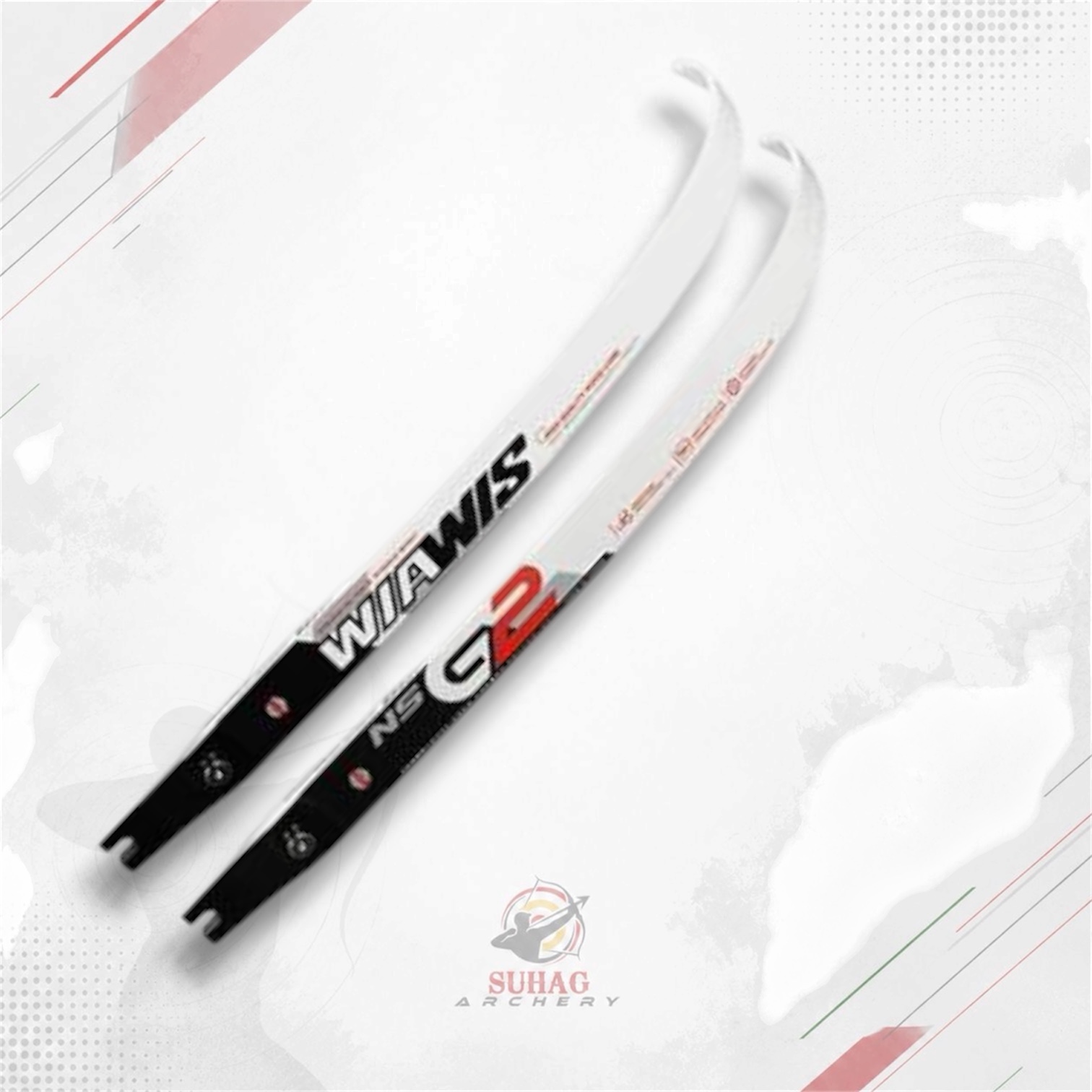
If you are selecting recurve limbs, the recurve limb category lists current options and poundages. Choose only after your draw length and comfortable weight have been checked; the lightest or heaviest option is not automatically right for you. A specific listing, such as the KINETIC ENGAGE recurve limb, still needs to match your riser and measured draw weight; confirm its current specifications before choosing.
How does draw weight apply to traditional and Indian bows?
Traditional bows, including bamboo or wooden bows used in Indian archery, still have a draw weight: the force needed at your draw length. Some do not carry the same standardized limb label as a modern takedown recurve, so ask a coach or bowmaker to measure the actual setup.
Archery draw weight FAQs
Draw weight is the force needed to pull a bow to a stated length. Recurve ratings commonly use a 28-inch draw, while compound peak and holding weights differ because of let-off. Beginners should choose a poundage they can control repeatedly with consistent form.
Is draw weight the same as the weight of the bow?
No. Draw weight is the force needed to draw the string; bow weight usually means the bow’s physical mass.
Why does my recurve limb rating differ from what I draw?
The rating is based on a standard draw length. Your actual draw length and bow setup can make the force at full draw higher or lower.
Is a 60-pound compound bow as hard to hold as a 60-pound recurve?
Not usually. A compound bow’s cams reduce the holding weight after peak draw weight, while a recurve continues to feel heavier as it is drawn.
Will changing draw weight affect my arrows?
It can. Arrow spine selection depends in part on the actual draw weight and draw length, so have your arrows checked when you change limbs or poundage.
Can I increase draw weight as soon as I can pull it?
Being able to pull a bow once does not mean you can shoot it comfortably through practice. Increase gradually with a coach’s guidance, and keep consistent form and control as your measure.