
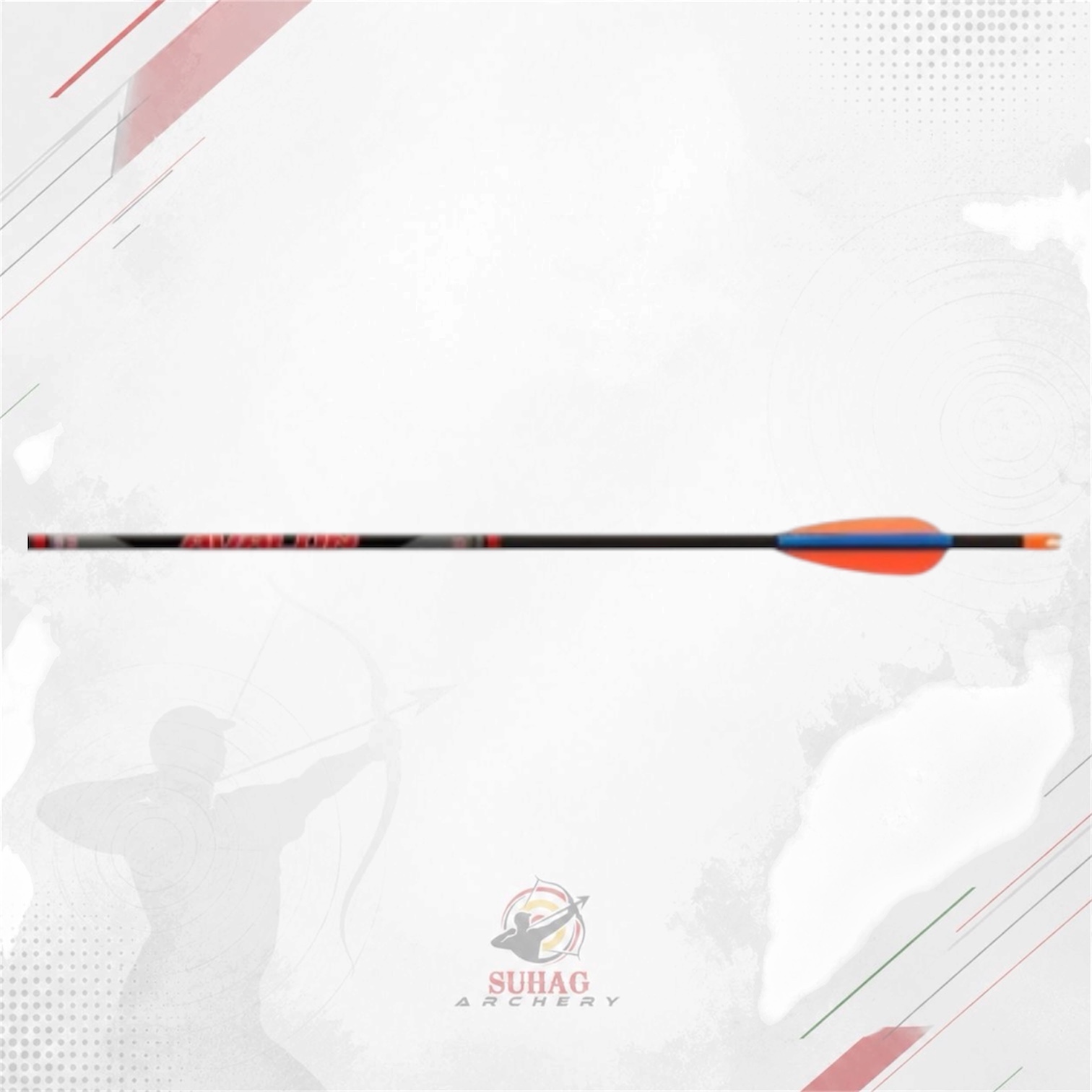
To nock an arrow, place its shaft on the arrow rest, orient the fletching for clearance, and attach the arrow’s plastic nock to the bowstring at the bow’s prepared nocking position. Do this only after the range is open and you are on the shooting line, with the arrow pointed safely downrange.
Key Takeaways
The arrow nock is the notched part at the rear of the shaft; it connects to the bowstring. Place the shaft on its rest, use the orientation specified for that bow and arrow, and attach the nock without forcing it. Range commands and safe direction come first.
- Inspect the shaft, nock, and fletching before nocking.
- Follow the arrow-rest and bow setup instructions for fletching direction and string position.
- Never draw or release a bow without a suitable arrow; never point a nocked bow away from the target area.
How do you nock an arrow safely?
At the shooting line, with the range open, place the shaft on the arrow rest and turn it so the fletching clears the bow and rest. Clip the arrow nock onto the serving at its prepared position, usually below a single upper nocking point on a recurve. Confirm it is secure without forcing it.
- Wait for the range officer or coach to signal that shooting may begin, then face downrange.
- Check that the arrow is long enough for your draw and that its shaft, nock, point, and fletching are undamaged.
- Rest the shaft on the bow’s arrow rest and orient its index vane or feather as specified for the bow and rest.
- Attach the nock at the bow’s existing nocking position. If there is one upper nocking point, the arrow normally sits beneath it; follow the coach’s setup if there are two points or a different system.
- Check that the nock is seated and the shaft is supported by the rest. Keep the bow pointed downrange and follow the range commands.
Do not press or twist a nock hard to make it fit the string. A fit that is too tight or too loose can affect how the arrow separates during the shot. Ask a coach or bow technician to match the nock and serving; do not alter a nock or string serving yourself.
How does nocking differ on recurve and compound bows?
Both setups connect the arrow nock to the bowstring and support the shaft on an arrow rest, but the string hardware can differ. A target recurve often uses a nocking point on the serving; many compound setups place the arrow in a D-loop for a release aid. Follow the exact bow setup.
| Bow setup | Where the arrow sits | What to follow |
|---|---|---|
| Target recurve | On the rest, with the nock at the serving’s nocking point | Nocking-point location and fletching clearance for the rest |
| Compound with D-loop | On the rest, with the nock engaging the loop on the string | D-loop and release-aid setup; ask a technician if the nock feels loose |
| Traditional bow | On the shelf or rest, with nock position set for that bow | Bowyer or coach instructions for string, shelf, and fletching |
The small groove on the arrow is its nock; the fixed locator on the bowstring is the nocking point. They are different parts. The Avalon Tyro complete arrows are one example of ready-to-shoot arrows, but nock fit and arrow length still need to suit your bow.
For related equipment checks, read our draw-length measuring guide, arrow spine explainer, and recurve stringing guide. The Archery GB beginners’ guide cautions against using arrows that are too short.
How do traditional and Indian archers nock an arrow?
The basic connection is the same: the arrow nock engages the string and the shaft is supported by the bow’s shelf or rest. Exact nock orientation and anchor-side clearance vary with arrow fletching, bow design, and release style, so follow the bowyer’s or coach’s instructions for that tradition.
Some traditional archers use wooden or bamboo arrows and different hand or thumb-release techniques. Do not assume that a setup intended for an Olympic recurve or compound bow transfers unchanged.
Frequently Asked Questions
These answers cover the common nocking questions beginners ask. If the arrow will not sit securely or the nock binds on the serving, stop and ask your coach to check the fit.
Which way should the odd-coloured vane face?
On many standard recurve setups the index vane faces away from the bow, but follow the arrow-rest and bow instructions because designs vary.
Does the arrow nock go above or below the nocking point?
With one upper nocking point on a typical recurve, the arrow nock sits below it. Follow the actual setup if the bow has two points or a different system.
What is the difference between a nock and a nocking point?
The nock is the notch on the arrow. The nocking point is a locator on the bowstring that helps position the arrow.
How tight should an arrow nock fit?
It should engage the serving without excessive force and release appropriately. Ask a coach or technician to check a fit that is too loose or tight.
References: Easton’s guide to arrow nocks and Archery GB’s beginners’ guide.