
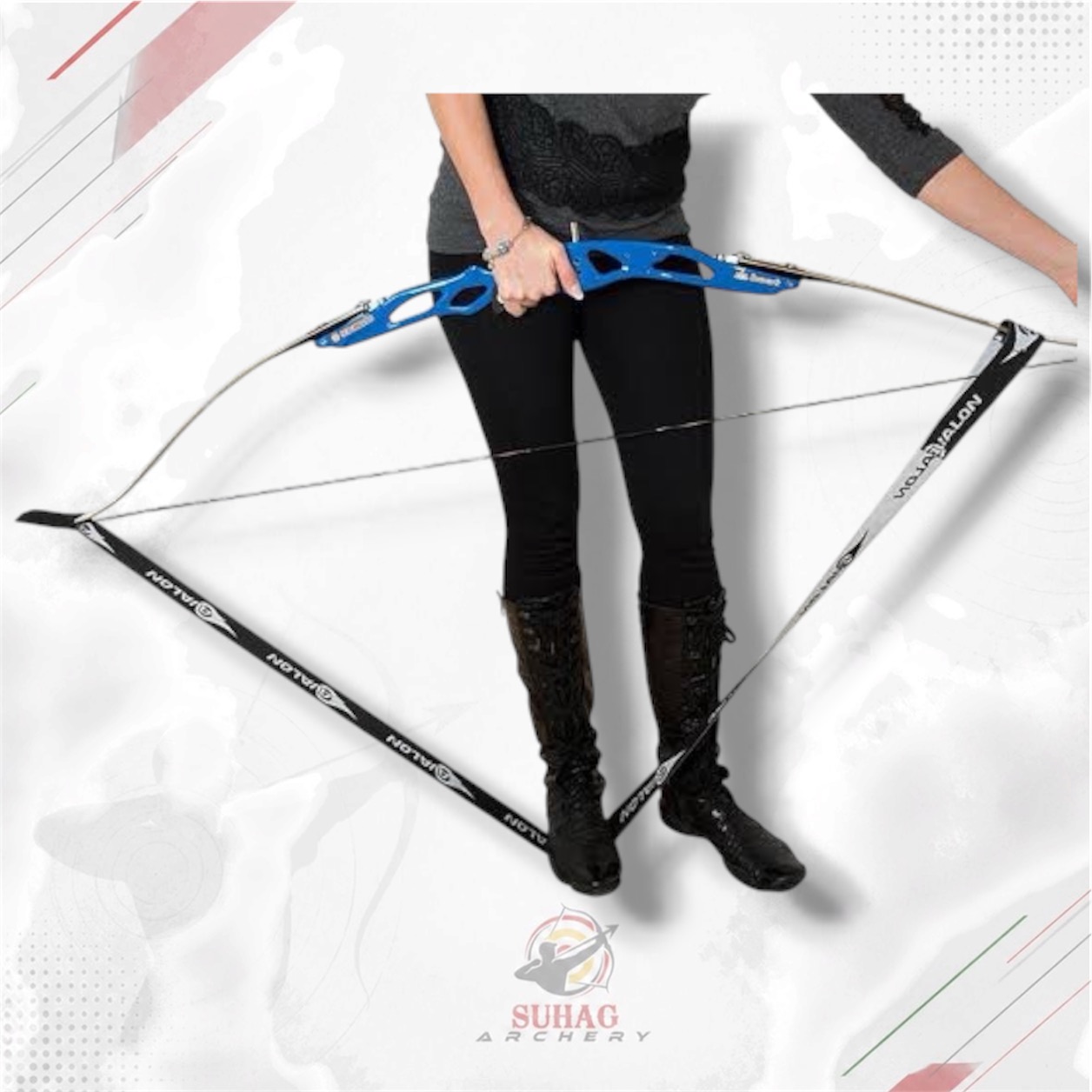
The safest routine way to string a recurve bow is to use a bow stringer designed for that bow and follow the stringer maker’s instructions. Inspect the limbs and string first, seat the bowstring loops correctly, flex the limbs with the tool, place the upper loop in its groove, and release tension slowly.
Key Takeaways
A bow stringer controls the limb flex while you position the string, reducing the chance that the bow twists or slips. Match the tool to the bow, learn the process from a coach, and stop if the limbs, string, or tool do not sit securely.
- Check the bow and string for damage before stringing.
- Use the bow stringer type and instructions intended for your bow.
- Keep your face and body clear of limb tips and never release a drawn bow without an arrow.
How do you string a recurve bow safely?
For a common recurve bow stringer, secure the bowstring’s lower loop in the lower limb groove and fit the stringer’s lower pocket or grip as its maker directs. Put the upper string loop over the upper limb tip, tension the stringer, flex the bow, slide the loop into the upper groove, then relax slowly.
- Check the limbs, limb fittings, string, and stringer for cracks, fraying, twists, or wear. Confirm the limbs are seated and the bowstring is the correct length and type.
- Place the bowstring’s larger loop in the lower limb groove. Fit the stringer’s lower end securely over or around the limb as specified by its design.
- Put the bowstring’s upper loop over the top limb but leave it below the string groove. Attach the stringer’s upper cup or gripper according to its instructions.
- Keep the bow pointed in a safe direction. Step on the stringer cord if it is a step-through model, hold the riser, and raise the bow smoothly to flex the limbs.
- Slide the upper string loop into its groove while maintaining control. Check that both loops are seated and that the string follows the bow’s centerline.
- Lower the riser gradually to transfer the limb load to the string. Recheck both ends before shooting. Ask a coach to inspect the setup if anything looks uneven.
Stringers differ: some use a limb-tip pocket and top-limb cup, while others use grippers. These steps describe the general sequence, not every tool design. Follow the instructions for the particular stringer and bow, and ask an experienced archer to demonstrate it the first time.
Why use a bow stringer instead of push-pull stringing?
A correctly fitted stringer supports controlled limb flex and helps keep the bow from twisting as the string is seated. Push-pull or step-through methods rely on body position and limb control, and can slip or twist the limbs. Beginners should use the method recommended by the bow maker and learn it under supervision.
| Method | How it works | Practical guidance |
|---|---|---|
| Compatible bow stringer | Uses a purpose-built cord, pocket, or limb grip to flex the bow | Preferred for routine recurve stringing; follow the tool’s design instructions |
| Push-pull or step-through | Uses body pressure or leg position to flex limbs while fitting the string | Can slip or twist limbs; avoid unless your coach and bow maker specifically teach and permit it |
Never point a bow toward another person while stringing. Keep your face away from the limb tips, and do not force a stringer that slides, catches, or appears incompatible. The Avalon HD Top & Limb Gripper Bow Stringer is one product example; confirm that its design suits your bow and follow its instructions.
For broader equipment context, see the recurve equipment guide, our beginner archery guide, and the draw-weight guide.
Does stringing work differently for traditional and Indian bows?
It can. Traditional bows vary in limb shape, material, construction, and whether the maker expects them to remain strung between sessions. A modern recurve stringer may not fit a one-piece, self, or historical-style bow. Use the bowyer’s instructions and learn a compatible method from an experienced traditional archer.
Never force a bow into a stringer because it appears close in size. If the manufacturer does not specify a stringer or stringing method, ask the bowyer or a qualified coach before flexing the limbs.
Frequently Asked Questions
These short answers cover common safety questions. If a step feels awkward or the string will not stay seated, lower the bow under control and have an experienced archer check the equipment.
Do I need a bow stringer for a recurve bow?
A compatible bow stringer is the recommended method for most recurve bows. Follow the bow maker’s instructions and have a coach show you how to use it.
Which end of a recurve bow do I string first?
The larger bowstring loop usually sits in the lower limb groove first, but follow the string and bow maker’s instructions for your model.
Can I use a recurve stringer on a traditional bow?
Only if the bow maker or bowyer confirms that the stringer fits the bow and the method is appropriate.
What should I do if a limb or string looks damaged?
Do not string or shoot the bow. Have a qualified coach or bow technician inspect or replace the damaged equipment.
Safety references: Archery GB’s beginners’ guide and its instructor handbook.