
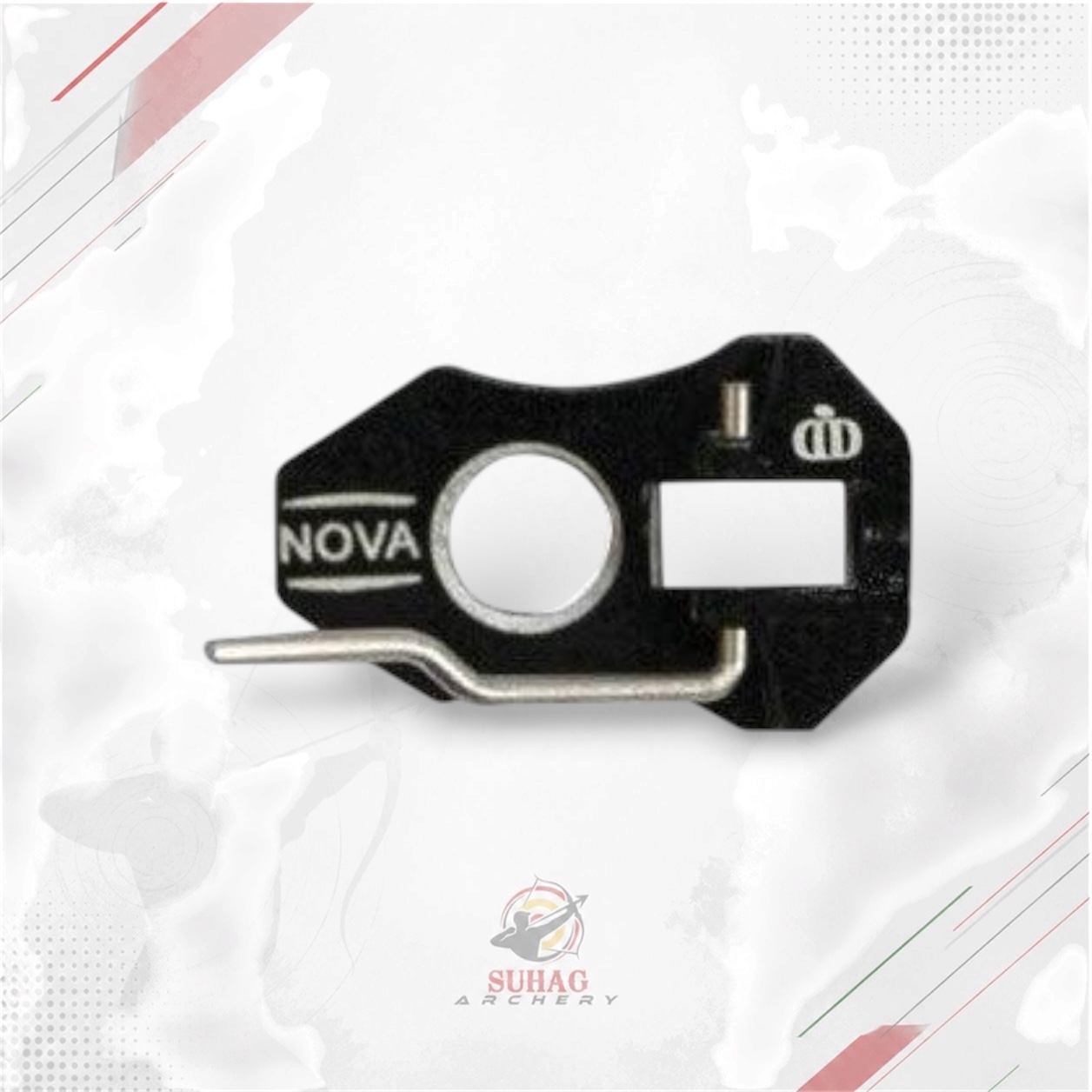
An arrow rest is the part of a bow that supports and positions the arrow before and during the start of the shot. It helps hold the shaft in a repeatable place while allowing the arrow to leave cleanly. Rest styles differ by bow type, so use one made for your setup.
Key Takeaways
An arrow rest supports the shaft at the bow and must let the fletching and arrow clear safely at release. Recurve, compound, and traditional bows use different rest designs. Choose a compatible style, then have a coach check alignment and clearance before shooting.
- A rest supports the arrow; it does not replace a correctly selected shaft or safe shooting form.
- Recurve, compound, and traditional setups use different rest designs.
- A rest that contacts fletching or fails to support the arrow needs inspection and tuning.
What does an arrow rest do?
An arrow rest holds the arrow shaft in position on the bow so the archer can draw and aim consistently. At release, the arrow flexes and moves forward, so the rest is designed to support it without obstructing its departure. Correct support and clearance depend on the bow, arrow, and rest setup.
On many target recurves, the arrow sits on a small flipper rest and against a pressure button or plunger. Compound bows may use a blade, prong, or drop-away rest. Traditional bows may support the arrow on a shelf or on the hand, depending on their design.
What are the main types of arrow rest?
Common rest types include simple stick-on rests and adjustable magnetic rests for recurve bows, blade or prong rests and drop-away rests for compounds, and a built-in shelf or hand support on many traditional bows. Each type fits a particular bow setup; the table compares their usual role, not a universal ranking.
| Rest type | Often used with | How it supports the arrow |
|---|---|---|
| Stick-on or flipper rest | Beginner and target recurves | A small adhesive-mounted arm supports the shaft |
| Magnetic rest with plunger | Target recurve and some barebow setups | A rest arm supports the arrow while a separate plunger helps guide lateral movement |
| Blade, prong, or drop-away rest | Compound bows | A launcher or prongs support the shaft; a drop-away design moves clear during release |
| Shelf or hand support | Many traditional bows | The arrow rests on the bow shelf or is supported by the bow hand, depending on design |
These are broad categories. Bow risers, arrows, release methods, and rules can affect compatibility. Suhag Archery lists specific examples such as the Decut Nova Arrow Rest and the Shibuya ULTIMA Recurve Rest; check the product’s fit and instructions for your bow.
How do you choose an arrow rest for your bow?
Start with the bow’s design and the way you shoot, then check the rest’s handedness, mounting method, and compatibility with your arrow diameter and fletching. Ask a coach to confirm the arrow sits securely and clears the rest through the shot; do not choose by price or appearance alone.
- Identify your bow style and whether it has a shelf, mounting hole, or dedicated rest system.
- Check right- or left-handed fit and any riser or arrow-diameter limits in the product instructions.
- Place an undamaged, correctly sized arrow on the rest and make sure it is supported before drawing.
- Have a coach check clearance and tune the setup using safe, consistent shots.
- Inspect the rest periodically for loose adhesive, bent arms, wear, or contact marks.
If fletching rubs the rest or arrow falls away while drawing, stop and have the setup checked. A plunger is a separate component from the rest, though target recurves often use both. Our recurve equipment guide explains the related parts, and the compound equipment guide covers compound accessories. For shaft compatibility, see how arrow spine works.
How does an arrow rest work on a traditional Indian bow?
Some traditional bows have a shelf cut into the riser, while others are shot off the hand or use a simple rest. Traditional and Indian bow designs vary, so use the support method intended by the bowyer and shooting style. A modern compound launcher or target-recurve rest may not fit or suit that bow.
Keep the hand, shelf, and fletching clear as taught by your coach. If the arrow does not stay supported or the fletching brushes the bow, stop and ask someone familiar with that traditional setup to inspect it.
Frequently Asked Questions
These short answers help identify the rest’s job and its relationship to other bow parts. The correct choice is the one designed for your bow and verified in a safe setup.
Do all bows have an arrow rest?
No. Some bows use a separate rest, while others support the arrow on a built-in shelf or the archer’s hand.
Is an arrow rest the same as a plunger?
No. A rest supports the arrow shaft. A plunger is a separate pressure button often used with a target-recurve rest.
Can I use a compound arrow rest on a recurve bow?
Usually not without checking compatibility. Rest designs and mounting systems differ by bow style.
Why does my arrow keep falling off the rest?
The rest, arrow size, or setup may not support the shaft correctly. Stop and ask a coach to inspect it before shooting.
References: Archery GB’s equipment guide and its first-bow guide.