
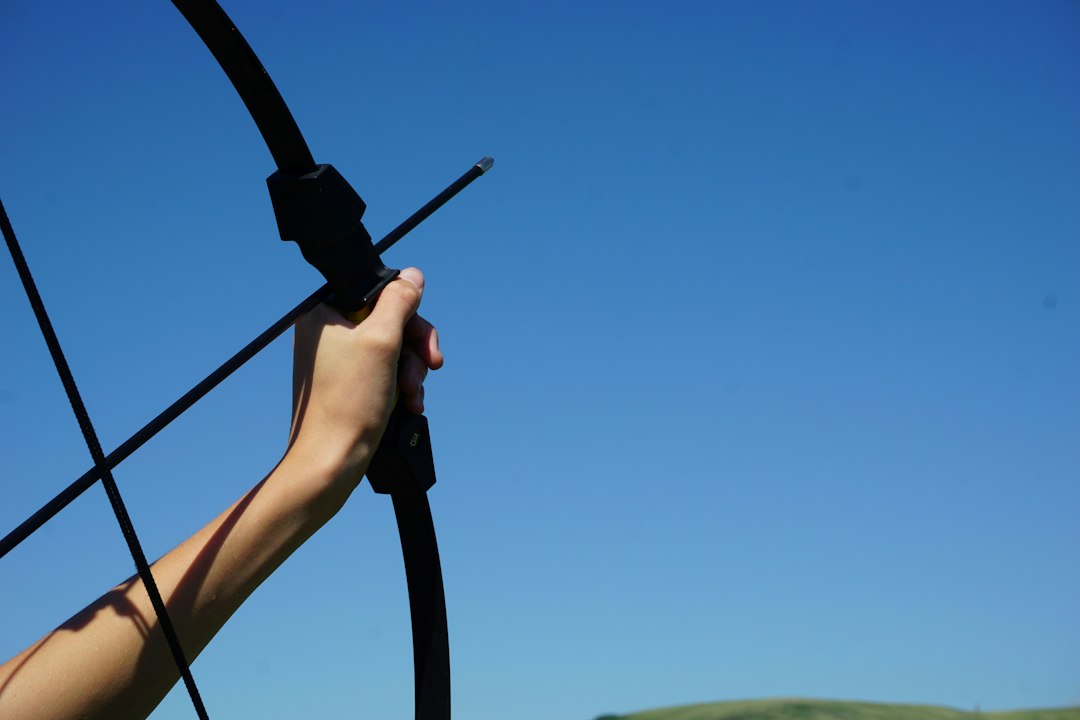
To measure draw length in archery, draw a suitable bow to your normal anchor while a coach or helper reads a marked measuring arrow at the grip’s pivot point. The AMO standard adds 1¾ inches to that reading. Repeat the measurement with consistent form; do not estimate it from height alone.
Key Takeaways
Draw length is a measured shooting position, not a guess based on height. Measure at a repeatable anchor with a draw-length arrow or gauge, then confirm whether the tool already uses the AMO scale. Use the result to select equipment with the correct manufacturer chart, not as the finished arrow length.
- Use a coach and a light training setup if you are new to drawing a bow.
- The AMO figure is the pivot-point reading plus 1¾ inches; some gauges show it directly.
- Your arrow must be selected and cut separately using its maker’s chart and safe clearance.
What is draw length in archery?
Draw length is the distance from the bowstring’s nocking point to a defined reference on the bow when you reach your normal full-draw anchor. Under the common AMO convention, that reference is the grip pivot point plus 1¾ inches. It describes your shooting setup, not the length of your arrow.
The pivot point is the deepest part of the grip throat. Measuring conventions matter: a basic gauge may show the distance to that point, while an AMO-marked arrow may already include the extra 1¾ inches. Check the markings before adding anything.
How do you measure draw length safely?
Have an experienced archer measure you at the anchor you can repeat comfortably, using a suitable low-weight bow or a draw-length measuring arrow. Read the gauge at its marked grip reference, repeat several times without forcing your shoulder or changing posture, and record the value and measurement convention.
- Set up at a supervised range and use a bow weight you can draw without straining.
- Use your normal stance and anchor. The helper places a properly marked measuring arrow on the rest and observes from the side.
- Draw smoothly to your usual anchor. Keep your bow arm and drawing shoulder in a position your coach considers sound.
- Read the scale at the grip pivot reference. Add 1¾ inches only if the tool gives the pivot-point measurement and you need the AMO value.
- Repeat a few times. Record the consistent readings; stop if you cannot reach the anchor comfortably.
Some compound bows use draw-length modules labelled in inches. A technician should compare the measured AMO value with the bow maker’s module system and confirm the fit. Recurve limb weight also changes with draw length, so the printed limb weight is not necessarily the weight you hold.
Is draw length the same as arrow length?
No. Draw length describes how far you draw the bow using a defined measurement standard; arrow length is the physical shaft measurement used for setup and safety. Draw length helps inform shaft choice, but it does not tell you where to cut an arrow or guarantee a safe finished length.
| Term | What it measures | Why it matters |
|---|---|---|
| Draw length | Your bowstring-to-reference distance at full draw | Bow fit, actual holding weight, and arrow-chart selection |
| Arrow length | The shaft length measured using the arrow maker’s convention | Clearance beyond the rest and correct shaft selection |
| Bow length | The bow’s overall nominal length, usually specified by its maker | Choosing compatible limbs, riser, string, or bow setup |
For example, an archer with a 27-inch AMO draw length should not automatically order a 27-inch arrow. Arrow charts also use the actual bow weight at the archer’s draw, shaft type, point mass, and the manufacturer’s specified measurement method. Ask a coach or shop to check the complete setup.
For related setup basics, see our guide to archery draw weight, the beginner’s guide to archery, and the new arrow spine guide. The Avalon Tyro complete arrow is one example of a shaft sold in multiple lengths and spine ratings; confirm its chart fit for your own bow before choosing.
How does draw length work in traditional and Indian archery?
The same measurement idea applies, but the relevant full-draw position depends on the bow and the archer’s established technique. Traditional bows may have no adjustable module, and anchors or release styles can differ. Measure while using the intended bow and style, then have a knowledgeable traditional coach confirm arrow clearance and fit.
A length measured with one anchor or bow should not automatically be transferred to another style. This matters especially when moving between a modern recurve and a traditional bow, or between finger and thumb draw: keep the draw controlled and use a shaft that remains safely supported at the archer’s actual full draw.
Frequently Asked Questions
The short answers below clarify common draw-length questions. Use a coach or bow technician to apply them to a particular bow, especially when fitting a compound module or choosing an arrow shaft.
Can I estimate my archery draw length from my height?
Height can provide only a rough starting estimate. Measure your actual full-draw position because arm span, posture, anchor, and shooting style affect the result.
What does AMO draw length mean?
AMO draw length is measured from the bowstring’s nocking point to the grip pivot point at full draw, plus 1¾ inches.
Does a 28-inch draw mean I need a 28-inch arrow?
No. Arrow length is a separate shaft measurement. Use the arrow maker’s selection chart and confirm safe clearance with a coach.
Should I measure draw length with my own bow?
A coach can measure you with your own bow if its draw weight is manageable and the setup is safe. Beginners may be measured with a light training bow or measuring tool.
Reference: World Archery Level 2 Coaches Manual describes the standard measurement convention. Measurement methods can differ by gauge, so follow its markings and the bow manufacturer’s instructions.