
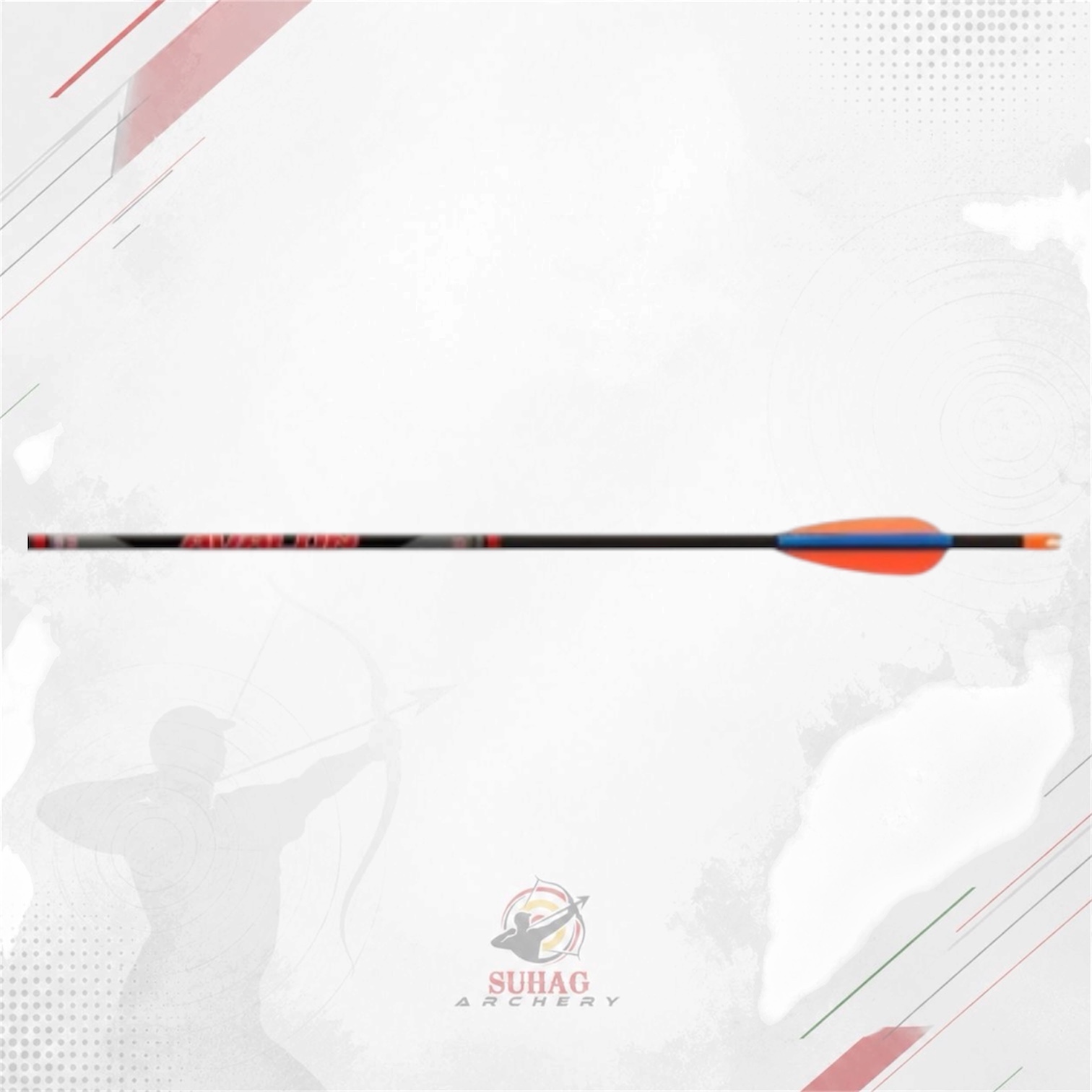
Arrow spine is the stiffness of an arrow shaft. In common shaft ratings, a lower number usually means a stiffer arrow: a 400-spine shaft is stiffer than a 500-spine shaft of the same model. The right spine depends on your measured bow setup, shaft length, point weight, and the maker’s selection chart.
Key Takeaways
Spine tells you how much an arrow shaft bends under a standard test or when shot from a bow. The number alone cannot determine fit: use the shaft maker’s chart with actual bow weight at your draw, arrow length, point mass, and bow type, then have the setup checked.
- Lower spine numbers generally indicate stiffer shafts within a product line.
- Static spine is a standardized bend test; dynamic spine is the shaft’s response during the shot.
- Never select or cut an arrow by spine number alone; use the manufacturer’s chart and safe setup checks.
What does arrow spine mean?
Arrow spine is a measure of shaft stiffness. For a common static-spine rating, the shaft is supported at fixed points and a standard weight is applied at its center; the amount it deflects is used to assign a number. Within the same arrow model, a lower number usually indicates less bending and a stiffer shaft.
For example, a 500-spine shaft deflects about 0.500 inches in the standardized test used by many manufacturers, while a 400-spine shaft deflects less and is stiffer. Confirm the exact testing method for the brand and shaft; ratings are not a universal promise that unrelated models behave identically.
What is the difference between static and dynamic spine?
Static spine is the shaft’s measured stiffness under a controlled manufacturer test. Dynamic spine describes how the assembled arrow flexes when the bow launches it. Bow weight, arrow length, point mass, release style, and other components affect that shot response, so the two terms describe related but different things.
| Type of spine | How it is assessed | What it tells you |
|---|---|---|
| Static spine | A shaft bends under a standardized support span and test weight | A comparable stiffness rating within the maker’s arrow range |
| Dynamic spine | An assembled arrow flexes as it leaves a particular bow | How the shaft responds to that complete bow-and-arrow setup |
This is why a spine number alone does not say whether an arrow suits your bow. It is a starting point for selecting the shaft; bow tuning and a safe equipment check confirm the finished setup.
How do you choose the right arrow spine?
Start with the arrow manufacturer’s current chart or selector and enter the bow type, measured draw weight at your draw length, arrow length, and point weight. Then check any chart notes about release style or component setup. If your measurements fall near a chart boundary, ask a coach or technician to confirm.
- Measure the bow’s actual draw weight at your anchor; do not rely only on the limb label.
- Measure the shaft length according to the arrow maker’s chart instructions.
- Identify the point or insert weight and the bow style or release method requested by the chart.
- Choose a shaft group from that manufacturer’s chart and check the finished arrow with a qualified archer.
- Inspect shafts before shooting; do not shoot any shaft with cracks, splits, or other damage.
The Avalon Tyro complete arrow is an example of a carbon arrow sold in several lengths and spine ratings. It is not universally suited to every archer: use the current product and maker specifications together with your measured setup. For the measurements that feed into selection, read how to measure draw length and our draw-weight guide.
Does arrow spine matter for traditional and Indian archery?
Yes. Every arrow shaft flexes, but the right spine depends on the bow, draw weight, arrow length, point, and shooting style. Modern carbon-shaft charts may not cover wooden or bamboo arrows. For traditional and Indian archery, follow the shaft maker’s guidance or work with a bowyer or coach who knows that bow and arrow material.
If a traditional setup uses modern carbon arrows, select them using the shaft maker’s chart for the actual bow and draw. Do not transfer a rating from a different shaft brand or assume a wooden arrow’s spine label uses the same scale.
Frequently Asked Questions
These quick answers explain the rating language. A chart recommendation is a starting point; final confirmation should use the exact shaft, bow, and components you intend to shoot.
Is a 400 spine arrow stiffer than a 500 spine arrow?
Yes. Within the same manufacturer’s arrow line, a 400-spine shaft is usually stiffer than a 500-spine shaft.
Does a lower spine number mean a weaker arrow?
No. In common spine ratings, a lower number indicates a stiffer shaft, not a weaker one.
Can I choose arrow spine using draw weight alone?
No. The manufacturer’s chart may also require arrow length, point mass, bow type, and release style.
Can two brands’ 500-spine arrows be treated as identical?
Not automatically. Check each shaft maker’s specifications and selection chart because shaft design and chart groupings can differ.
References: Easton’s explanation of arrow spine and its Arrow Tuning and Maintenance Guide.